
By Kolby LaMarche
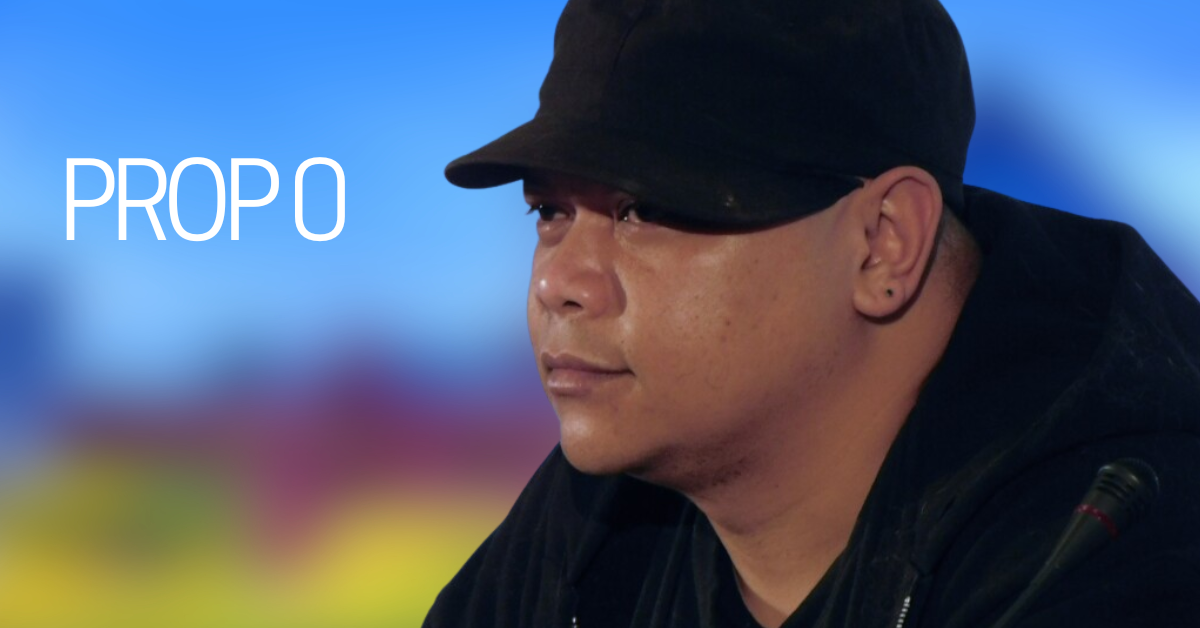
With Town Meeting Day less than a week away on March 3, a coalition of Burlington organizers is ramping up efforts to revive Proposition Zero, a charter amendment that would give city voters the power to propose binding ordinances, force referendums on council decisions, and place advisory questions on the ballot.
The measure, which failed narrowly on the 2023 Town Meeting Day ballot, is back in circulation through a petition drive aiming to qualify it for the November 2026 general election.
Backers need signatures from at least 5% of registered voters—approximately 2,000—to force the question onto the ballot, with canvassing focused heavily on election-day polling sites.
Proposition Zero would add three mechanisms to the city charter:
-Binding initiatives allowing voters to propose ordinances directly;
-Binding referendums to challenge and potentially repeal adopted council ordinances;
-And non-binding advisory questions to measure public opinion on local, state, national, or even international issues.
Petitions would require the same 5% signature threshold, with clear language distinguishing binding from advisory items. If the council declines to adopt or repeal without substantive changes, the issue goes to voters at the next available election, under the proposed ruleset.
Advocates argue the change would bring Burlington in line with municipalities across the nation, particularly in California, where direct democracy exists in some capacities. “Burlington stands in contrast to the vast majority of Vermont’s other cities and towns, where voters’ right to participate in municipal decision-making is enshrined in their charter documents,” the campaign said.
In the 2023 vote, the proposal drew 4,787 yes votes to 5,366 no, falling short amid a broader slate of charter questions that included an independent police oversight board, which also failed decisively.
City officials at the time cited potential legal and administrative conflicts, with the city attorney’s office warning that frequent voter-initiated measures could complicate governance and create inconsistencies in municipal law.
FaRied Munarsyah, formerly a Ward 5 city council candidate and longtime community organizer, is again a central figure in the current push. Munarsyah, who founded and leads The People’s Kitchen—a mutual aid project providing free, nutritious meals to Burlington residents since 2011—has built a reputation for grassroots activism around food insecurity, housing, and social justice, and on this very issue, leading the effort for the past many years.
The People’s Kitchen, often operating through pop-up distributions and partnerships with groups like the Vermont Workers’ Center, has distributed thousands of meals during crises including the COVID-19 pandemic, Black Lives Matter protests, and ongoing homelessness challenges. Additionally, they worked cooperatively with other organizations to provide free lunch downtown.
Munarsyah has also hosted annual Eid community feasts at his South End home for a while.
“This amendment enshrines the right of the people to directly participate in making communal decisions that impact their lives,” Munarsyah and co-organizers emphasize. They frame Proposition Zero as a tool for greater accountability and innovation, especially on issues like housing affordability, climate policy, and public safety.
The campaign timeline targets signature collection at Town Meeting Day polls, with additional opportunities during the August primary if needed.
A successful November ballot win would send the amendment to the Vermont Legislature for approval, potentially enabling binding initiatives and referendums as early as Town Meeting Day 2027.
Supporters point to successful direct democracy models in places like Montpelier and Brattleboro, where voter petitions have addressed local priorities effectively. Critics, however, have historically raised concerns about ballot fatigue, the risk of poorly drafted measures, and the potential to sideline council expertise on complex budgetary or legal matters.
No major organized opposition has emerged yet for the revived effort, though past debates highlighted divisions along party and ideological lines. Burlington’s charter history includes mixed results on electoral reforms, such as the 2010 repeal of instant-runoff voting following controversy in the 2009 mayoral race.
Organizers are encouraging volunteers to sign up for two-hour canvassing shifts, with training and petition kits provided.
Leave a Reply