
By Kolby LaMarche
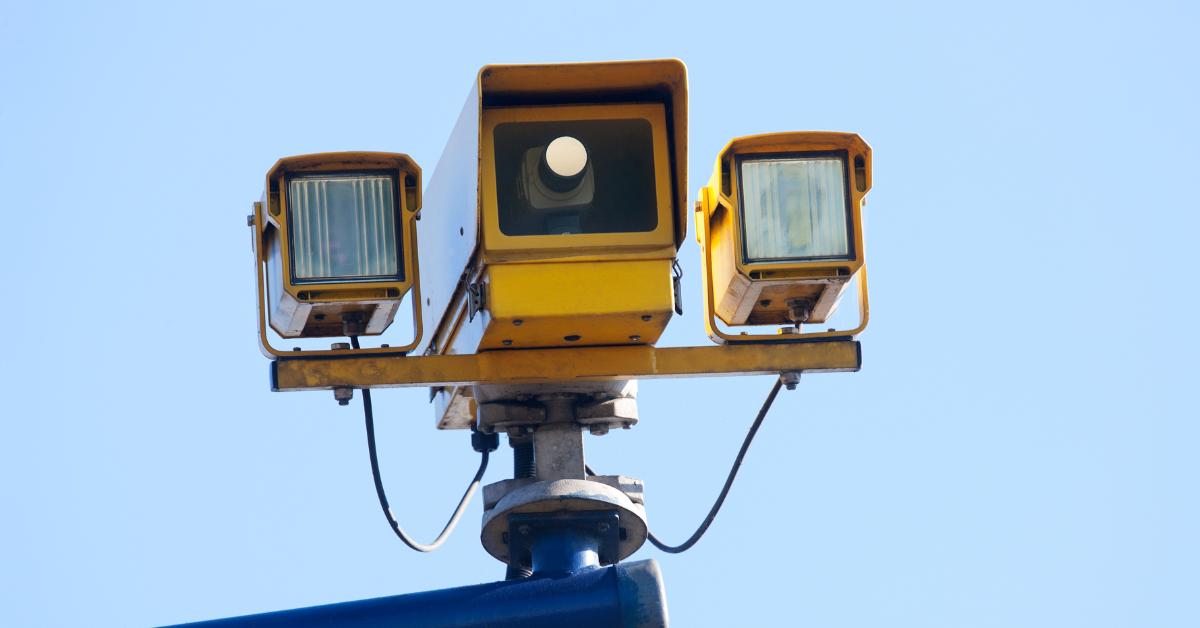
The city of Burlington will soon ask state lawmakers to let it install speed cameras, red-light cameras, and automated license plate readers (ALPR) starting next year.
Earlier this week, the Burlington City Council voted to support Mayor Emma Mulvaney-Stanak’s 2026 legislative wish list, which BDN has previously covered.
However, the top new item on that list is permission to use automated traffic enforcement tools. City leaders say the cameras are needed because the police department is short-staffed and can no longer write enough tickets to slow drivers down.
Traffic stops in Burlington have dropped more than 70 percent since 2018. The department has lost officers and has not replaced all of them. Fewer stops mean more speeding and more red-light running, especially on busy roads like North Avenue, Pine Street, and Shelburne Road, where residents report concerning incidents.
Speed and red-light cameras would take photos of license plates when a driver breaks the rule. The registered owner of the car would get a ticket in the mail. License plate readers would scan plates and check them against lists of stolen cars, wanted people, or unpaid parking tickets.
Right now, Vermont law does not allow cities to run their own speed or red-light camera programs. The state also limits how police can use license plate readers. Any city that wants to use these tools must get special permission from the Vermont Legislature.
Burlington is not the only place asking, though. Lawmakers have talked about traffic cameras for several years. In 2024, a bill to allow speed cameras in highway work zones passed the Senate but died in the House. Another bill to let towns use red-light cameras also failed.
Supporters say the cameras work. Cities that use speed cameras see crashes drop 20–30 percent at those locations, according to national data and red-light cameras cut deadly T-bone crashes by about 40 percent, according to studies from the Insurance Institute for Highway Safety.
The cameras would let officers spend more of their stretched time on serious crimes instead of traffic details, the city says.. Fines collected would pay for the program first and extra money would go to road safety projects, not the general budget.
Not everyone likes the idea, however. The Vermont chapter of the American Civil Liberties Union (ACLU) worries about privacy. Camera data could be kept too long or shared with federal agencies, or in other ways it shouldn’t be used. While the ACLU stopped short of condemning the move, they said they still had serious reservations. .
State law says ALPR data can only be kept for 48 hours unless it is part of an active case, matched against New Hampshire’s 3-minute rule. Burlington says it will follow that 48-hr rule and add extra safeguards.
The city has not picked exact locations yet. Staff will study crash data and talk to neighborhood groups before choosing intersections and school zones.
Cost is another question. Installing and running cameras can cost hundreds of thousands of dollars per year. Burlington plans to use a private company that takes a share of the fines instead of asking taxpayers to pay up front.
Equity issues have come up in talks about traffic cameras in Vermont and other places. These concerns focus on how cameras might affect low-income people and communities of color more than others.

In Vermont, the state’s Racial Equity Director has raised points about site selection for cameras. Placing them in some areas but not others could lead to uneven enforcement. This might create a digital version of over-policing in certain neighborhoods. The director has called for checks to avoid disproportionate impacts from increased law enforcement presence, even if it is automated.
Studies from other cities show similar problems. In Chicago, a review of red-light and speed camera tickets from 2016 to 2019 found that low-income neighborhoods got more tickets per household. Predominantly Black and Latino areas saw higher numbers. Low-income residents faced fees on 46 percent of their tickets, compared to 17 percent for upper-income residents. This means added costs like late fees that can turn a $35 ticket into $85 or more.
In Washington, D.C., analysis of 2016 data showed census tracts with higher shares of Black residents had twice the average number of traffic fines per capita. Drivers in Black-segregated areas got over 17 times more moving violations than in white-segregated areas. Crash rates were about the same across these areas, so the difference came from enforcement, not more violations.
A national study using telematics data from 10 cities found that speeding enforcement was more concentrated in non-White neighborhoods, even after adjusting for actual speeding rates. Black drivers were 24 to 33 percent more likely to get cited for speeding at the same speeds as white drivers. They also paid 23 to 34 percent more in fines.
These patterns often link to where cameras are placed. Cities sometimes put more in low-income areas with poor road designs that encourage speeding. Fines hit low-income families hard because they take a bigger share of their budget. Unpaid tickets can lead to license suspensions, impoundments, and debt that traps people in poverty, according to the Francisco Planning and Urban Research Association.
Automated systems aim to cut bias from police stops, but they can still create inequities if not planned carefully. Groups like the Fines and Fees Justice Center point out that fines from cameras act like a regressive tax. They burden poor communities more, even if the tech seems neutral.
In Burlington, city leaders say they will look at equity in site choices. They plan to use crash data and community input to avoid uneven impacts. Some suggest income-based fines or warnings before full tickets to ease the load on low-income drivers. Vermont lawmakers will need to address these issues if they approve the tools.
The Legislature starts its new session in January 2026. Burlington’s request may be part of a larger transportation or public safety bill. If lawmakers say yes, the city could start putting up cameras by late 2027.
For now, drivers in Burlington still have only human officers watching for speeders and red-light runners. City leaders hope that soon a camera will be able to do some of that work 24 hours a day, seven days a week.

Leave a Reply to Charles RussellCancel reply