
By Kolby R. LaMarche
On Monday night, the Burlington City Council voted unanimously to establish an Overdose Prevention Center (OPC) pilot program, following a proposal first presented on April 14, as covered by Burlington Daily News.
Developed by the Mayor’s Office and Vermonters for Criminal Justice Reform (VCJR), the plan adheres to Vermont’s Act 178 (2024) and the Vermont Department of Health’s OPC Operating Guidelines. The initiative seeks to address the state’s overdose crisis by providing supervised drug consumption, reducing public drug use, and linking individuals to health and social services.
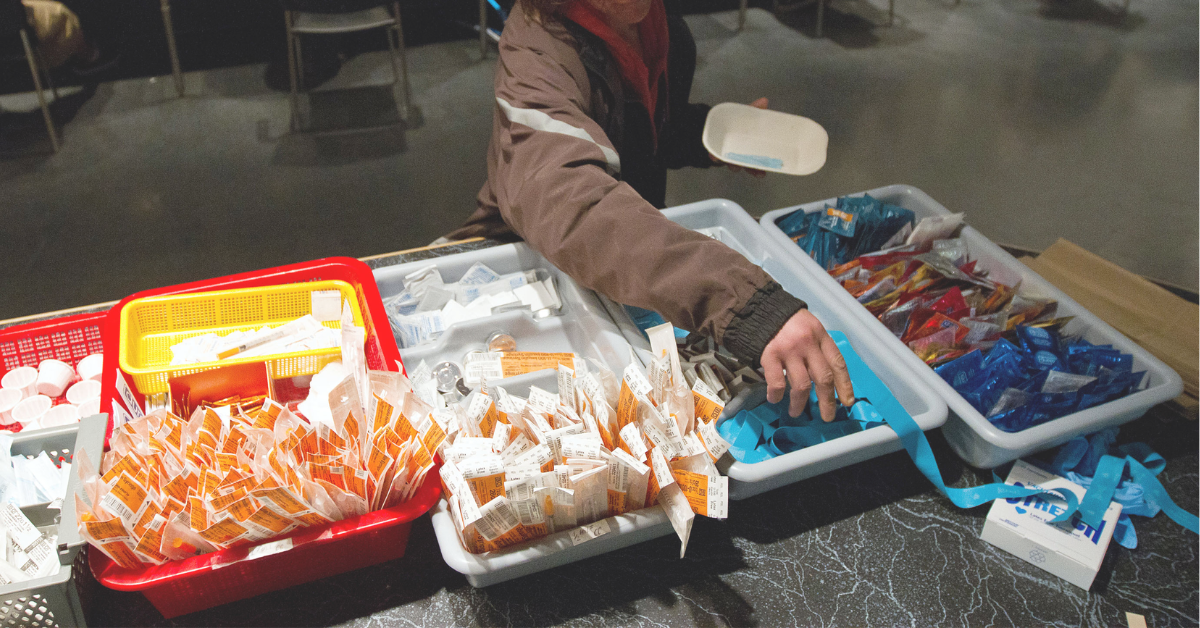
The OPC will operate as a facility where individuals can use pre-obtained drugs under the supervision of staff trained to reverse overdoses with naloxone. It will distribute clean needles, test drugs for contaminants, and provide education on safer drug use. Additional services include addiction treatment, medical care, wound care, mental health support, housing assistance, and provisions like food and clothing. These services are available to all individuals with substance use disorders, regardless of whether they use drugs on-site.

Example of an OPC, Formerly Located in East Harlem, NY
Site Selection Process: The program’s first phase, lasting 8–12 months, involves identifying a suitable, code-compliant building. The process includes public meetings with residents and businesses to gather input on location and concerns. The facility will have designated areas for drug use, medical care, and private counseling. VCJR and the City will conduct a neighborhood assessment with a research partner to analyze overdose patterns, service proximity, community impacts, and needle litter.
While supportive of the OPC, Democrat Councilor Evan Litwin expressed concerns about location and funding, stating he believes there is insufficient money to construct a new building and a lack of viable downtown options to retrofit, where he believes demand is highest. The City will facilitate zoning changes and permitting to support site preparation, all of which must be approved by the Council.
Funding comes from a $1.1 million grant through the Vermont Opioid Abatement Special Fund for 2025, with anticipated allocations through 2028. The budget covers staff, facility costs, supplies, and public outreach. VCJR and the City plan to pursue additional funding sources for sustainability. The program will submit quarterly and annual reports to the Vermont Department of Health, detailing visitor numbers, overdoses, and service referrals. This data will also be shared with the City Council. According to the Mayor, community engagement will include public forums and updates to maintain transparency throughout the pilot’s implementation.


Leave a Reply