
By Kolby LaMarche
In a memo dated Sept. 14 and addressed to the City Council, Rachel Jolly, director of the city’s Community Justice Center, informed members that the City Circle pilot program would not continue as a standalone effort for municipal ordinance violations after the end of the current fiscal year.
In the warning, Director Jolly detailed the program’s mixed results, noted the withdrawal of state funding, and outlined how the center would absorb remaining work into existing pathways while shifting toward more “flexible outreach”.
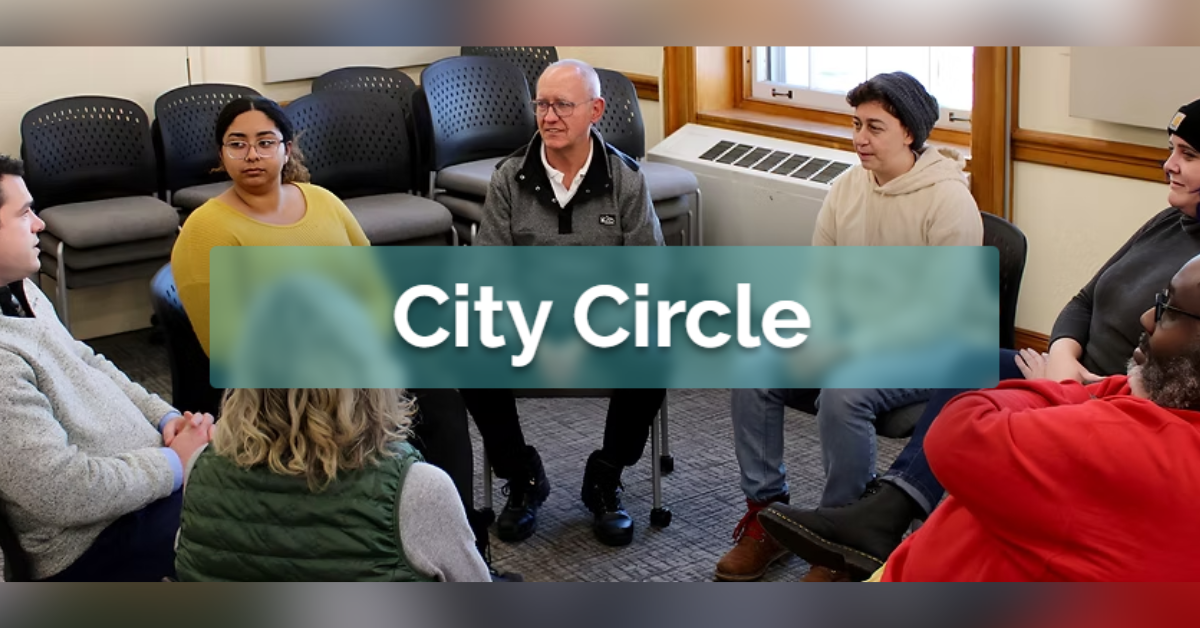
City Circle began in January 2026 as a pilot under the Community Justice Center, where it sought to tackle the problem of repeat offenders in Burlington. For example, instead of receiving a standard court summons or a mandatory financial fine, qualifying individuals have been given the option to complete a “restorative circle”. There, they meet with trained community volunteers to address the harm caused by their behavior. If the participant successfully fulfills the terms of their agreement (such as community service, counseling, or resource connection), their ticket or violation is entirely dismissed
The Attorney General’s Office originally agreed to fund the pilot through this year, with the understanding that support would cover only municipal criminal violations.
In June 2026 the office informed the center that it would not extend funding into fiscal year 2027. By July 31 the program had logged 154 referrals.
The most common citations involved open containers, disorderly conduct and smoking. Of those referrals, 44 were successfully closed, 99 were recorded as unsuccessful, and 11 either were declined by the individuals involved or were declined by the center itself. The program’s success rate was a dismal 28.6 percent, with nearly three out of every four referrals ending in failure.
The 99 unsuccessful cases involved tickets issued to 78 people. Many of those referred lacked reliable contact information, and center staff were often unable to reach them even with help from community-based providers. The remaining ten tickets belonged to four people, one of whom had received seven citations and chose not to participate.
A large share of the people ticketed belonged to some of the city’s most vulnerable populations, the city says.
Many were unemployed, lived with unstable housing and had no dependable way to be reached. A number were already known both to the Community Justice Center and to the broader criminal legal system.
Officials had hoped that the program’s rapid timeline would produce higher engagement than the center’s long-standing Pre-Charge Diversion process. That hope was not realized.
After receiving a citation, individuals were given a card instructing them to appear at a meeting with center staff and City Circle volunteers on the following Monday. The center waited at least 30 days before closing a case. The swift turnaround was viewed as useful for potential victims, yet maintaining a fixed weekly schedule did not produce higher appearance rates.
As a result, the Community Justice Center will discontinue the separate City Circle structure that relied on dedicated staffing and a distinct volunteer roster limited to civil violations.
The center will, however, continue to accept municipal violation tickets. Those cases will be treated as ordinary “community” referrals and paid for with the general-fund dollars the center already receives from the city.
Police will be encouraged to keep using the Pre-Charge program, which has operated for more than two decades and allows officers to refer people facing criminal charges directly to the center.
The same pool of volunteers who worked with City Circle will be retained and asked to expand their focus. They will now support cases arising anywhere in Burlington and referred through any of the center’s existing tracks: community referrals, Pre-Charge, Post-Charge and post-conviction programs.
When a person cannot be served through the community pathway, staff expect to connect them instead with one of the center’s two courthouse-based programs that specialize in substance-use and mental-health related violations.
In a related adjustment, staff from those courthouse programs have begun holding weekly “office hours” in City Hall Park.
Working alongside the city’s Community Service Liaisons and Street Outreach teams, they meet people where they already spend time.
The memo does not claim that the pilot fully achieved its original aims, but it did make clear that engagement remained lower than had been hoped, contact barriers proved stubborn, and external funding ended after a single fiscal year.
At the same time, the center says it is not abandoning the restorative approach or the municipal tickets themselves.
By folding the work into established programs, preserving the volunteer group, and adding park-based outreach, officials say they are attempting to maintain continuity for a population that has long been difficult to reach through conventio
Leave a Reply