
By Kolby LaMarche
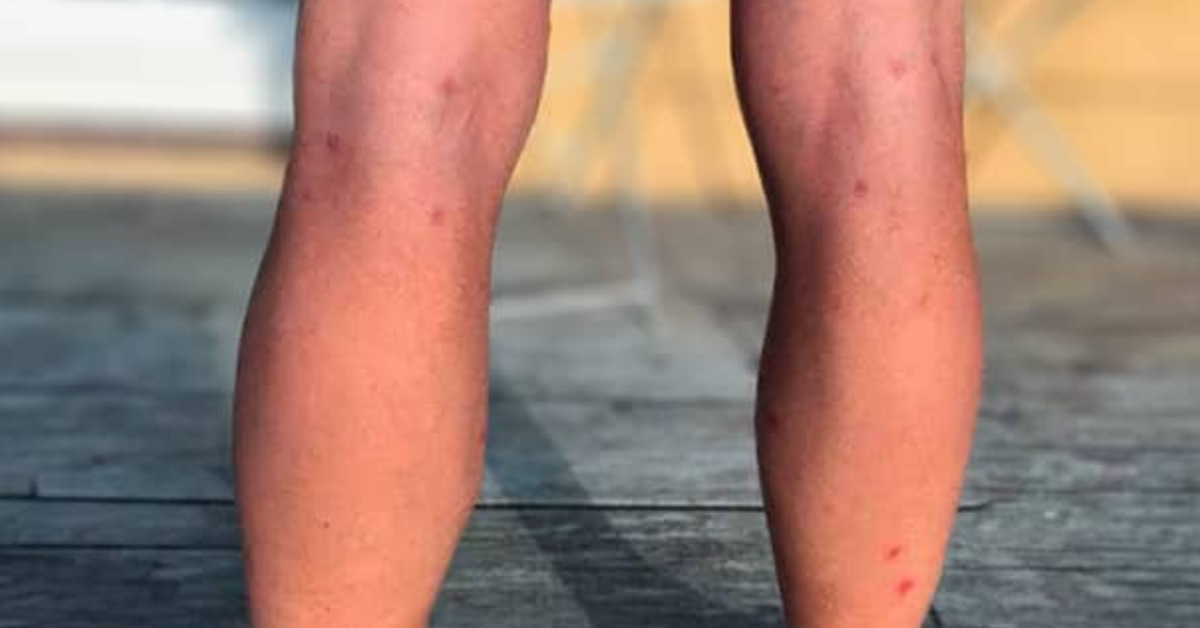
Local residents across Facebook, Front Porch Forum, and Reddit are reporting cases of swimmer’s itch after spending time in Lake Champlain, with multiple complaints coming from Thayer Beach in Colchester and Stricks Beach in Burlington over the past several weeks.
The skin irritation, known medically as cercarial dermatitis, has prompted some swimmers and parents to limit their time in the water or seek advice on prevention as the summer swimming season gets underway in earnest.
Swimmer’s itch is caused by microscopic parasites known as cercariae. These are the larval stage of certain flatworms that spend part of their life cycle in freshwater snails and another part in water birds such as ducks and geese. The parasites are released into the water by infected snails.
When they come into contact with a human swimmer, they attempt to burrow into the skin, triggering an allergic reaction. Humans are not suitable hosts for the parasite, though, so the cercariae die shortly after penetration, but the body’s immune response produces the characteristic rash and itching.
According to materials from the Vermont Department of Health and the Lake Champlain Basin Program, the condition occurs when the free-swimming larvae mistake humans for their normal hosts.
The larvae are more commonly found in shallow water near shorelines where snails and waterfowl are present, like Thayer Beach.
Lake Champlain users have occasionally reported the issue in past years, though it is not considered a widespread or constant problem across the entire lake.
Symptoms typically begin within minutes to a couple of days after exposure. Swimmers often first notice tingling, burning, or itching on the skin. This is followed by small reddish pimples or bumps that can develop into blisters in some cases.
The itching can last up to a week or longer, and scratching the affected areas may lead to secondary skin infections. Children are often more affected because they tend to spend more time wading and playing in shallow areas and may be less likely to dry off thoroughly afterward.
Reports this June come earlier than the more typical peak period for swimmer’s itch, which is often seen in mid to late summer when water temperatures are warmer and snail and bird populations are more active.
Warmer-than-average spring conditions this year, combined with early seasonal waterfowl activity, may be contributing to the earlier reports, state reports have shown.
The reports come at a time when beach monitoring also continues for other water quality concerns, including E. coli bacteria and cyanobacteria blooms, two targets of Mayor Mulvaney-Stanak’s Department of Public Works. Both Colchester and Burlington conduct regular testing during the swimming season.
Despite the discomfort experienced by some, health officials and local recreation advocates emphasize that there are several practical steps people can take to reduce the risk while continuing to enjoy Lake Champlain.
Toweling off immediately and vigorously after leaving the water is one of the most effective measures, as it can remove parasites before they burrow into the skin. Changing out of wet swimsuits and taking a shower with soap as soon as possible provides further protection.
City and town officials have not issued any formal closures or widespread warnings specifically for swimmer’s itch.
For families planning beach visits, the message from health authorities is one of informed enjoyment rather than avoidance.
Leave a Reply