
By Kolby R. LaMarche
UPDATE: SNAP recipients to receive 50% of benefits, beginning Nov. 7
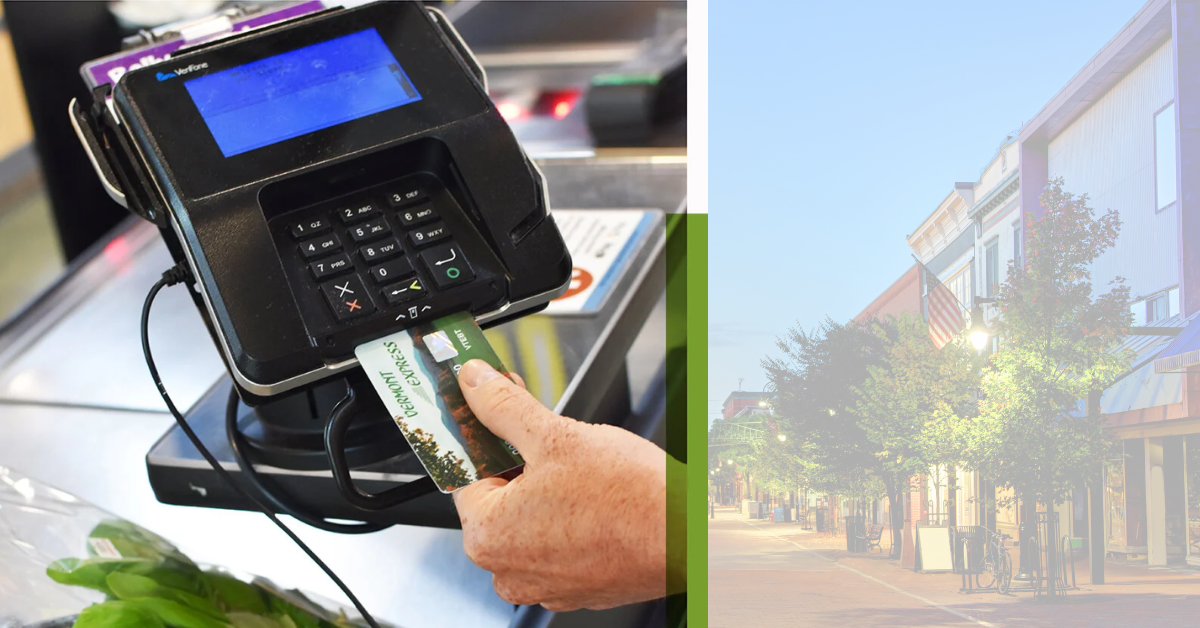
As the federal government shutdown enters its fourth week, thousands of Burlington residents face the prospect of empty EBT cards.
Approximately 8,000 city households—about 13% of Burlington’s population—depend on the Supplemental Nutrition Assistance Program (SNAP), known in Vermont as 3SquaresVT, for an average of $190.59 per person monthly.
With the U.S. Department of Agriculture confirming that November SNAP benefits will not be distributed on November 1 without congressional action, local families are stretching October allotments amid rising food and heating costs.
In fiscal year 2025, the average household benefit stood at $356.41, supporting over 20,000 people in Chittenden County alone. Statewide, 38,422 households and 65,109 Vermonters rely on the program, injecting about millions monthly into the food economy, helping over 600 merchants.
While county-level poverty is lower than the national average, Burlington’s urban core sees over 20% of residents below the poverty line—well above Vermont’s 11% statewide rate—driving demand for aid amid 15% rent spikes since 2023.
Food insecurity in Chittenden, defined as inconsistent access to nutritious food, impacts an estimated 20,000 residents, with local pantries, many of which are in Burlington, are able to serve only about 12,000 annually.
Vermont is responding with emergency measures. On October 29, Governor Phil Scott and the state Emergency Board approved $6.3 million in contingency funds to cover half of November’s 3SquaresVT benefits—equating to 50% of recipients’ typical allotments—to be loaded onto EBT cards by November 15.
An additional $250,000 was allocated to the Vermont Foodbank to bolster emergency food distributions across the state, split between shelves and pantries. This stopgap aids the 65,000+ enrollees—mostly older adults, families with children, or people with disabilities—but requires building a new funding system, potentially delaying access by up to a week.
Attorney General Charity Clark joined 22 other attorneys general in a lawsuit filed October 28, demanding the USDA tap its billions in SNAP contingency funds, arguing the withholding harms Vermont’s $12.6 million monthly food infusion. The board plans to reconvene November 13 if the impasse persists.
At the Burlington Food Shelf, operated by Feeding Champlain Valley, staff report a sharp uptick in visits amid SNAP anxiety. Open weekdays from 9 a.m. to 4 p.m., the shelf—serving as the county’s largest—distributed groceries to over 1,200 households last week, a 20% increase from September, including fresh produce from Intervale Center farms. Demand has surged 10-15% year-over-year, mirroring statewide trends where pantries brace for November’s holiday peak.
In the New North End, the all-volunteer North End Food Pantry at 1416 North Avenue distributes food, diapers, and clothing every Saturday and Sunday from 9 to 11 a.m., relying on grocery rescues from Hannaford and community drives; it served 100+ families per session last weekend, up from prior months.
Downtown, the Friendly Kitchen – operated by the Salvation Army – at Christ the King–St. Anthony Parish on South Union Street serves free hot dinners Monday through Saturday from 5 to 6 p.m. to 200+ guests and provides emergency harvest boxes during morning hours, with lines growing as winter nears.
The Intervale Center, a non-profit that oversees land along the Winooski River, is again pushing a campaign to raise public awareness of food opportunities in Burlington, listing dozens of supporting organizations.

Leave a Reply